Systems integration
Retrofitting IoT onto equipment that predates it
Most of the equipment running today was specified before anyone planned to put a sensor on it. Replacing it for the sake of telemetry is rarely the economic answer, but a retrofit fails in ways a software team meets only after the drill has already gone through the enclosure.
Executive summary
3
live sites retrofitted without taking any offline: a campus, a hospital, and an airport
5+ yrs
the battery life the PestBusters sensor retrofit was built around
Core conclusions
- A retrofit fails in the physical layer first: power, certification, and signal integrity on cabling that predates the requirement.
- On a live facility, sign-off from whoever owns the asset comes before any of that; skipping it is the fastest way to lose access to the site.
- Name the recurring human task a retrofit removes, and the one it introduces in its place, with an interval on each.
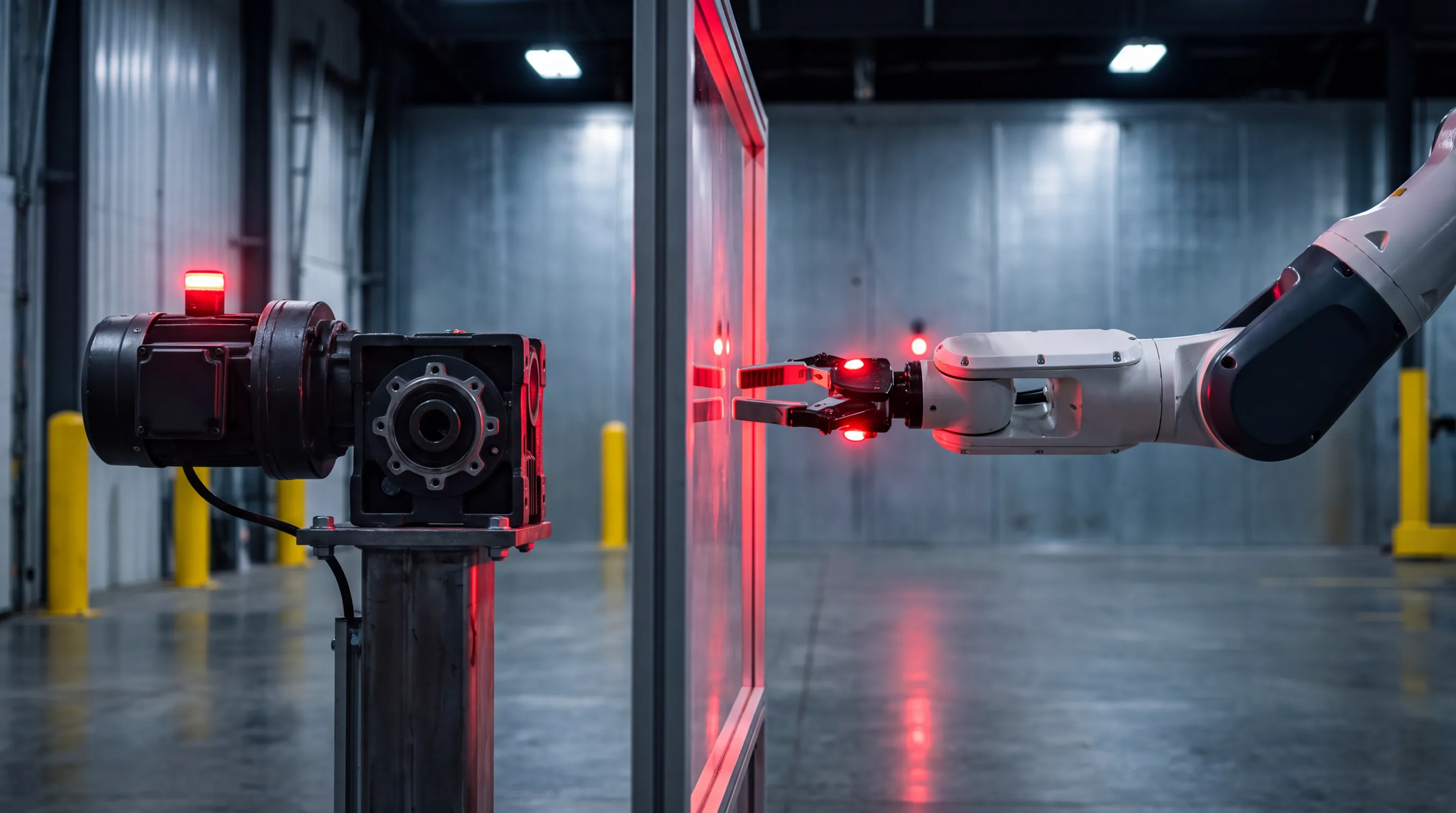
A retrofit puts a sensor on a machine, a panel, or a building system that was never designed to report anything. That is a different job from specifying a new one, and it fails differently, in the physical layer: power, certification, and wiring that predate the requirement by years.
The instinct on a project like this is to start with the platform: what the sensor talks to, what dashboard shows it. On a live facility, that is the second question. The first is whether you can get a sensor onto the asset at all without shutting it down, decertifying it, or creating a new fault it did not have before.
Where a retrofit actually fails
Four points, and they surface in this order on a real site:
- Power. Older equipment rarely has a spare terminal or a 24V rail sized for an add-on load, so the tap-in is its own small electrical project before any data moves.
- Certification. A pressure vessel, a fire system, or a medical enclosure carries a certification that a drilled hole or an added tap can invalidate. The retrofit has to route around the certified boundary.
- Signal integrity over the existing run. Cable laid decades ago for a different purpose was not specified for the noise floor a new sensor introduces alongside it.
- Sign-off from whoever owns the asset, obtained before any of the above. A retrofit done without it is the fastest way to lose access to the site.
A live-facility example
We ran an IoT and building-management sensor deployment across three sites that could not be taken offline to accommodate it: SUTD, Ng Teng Fong General Hospital, and Changi Airport, feeding real-time environmental data into ENGIE's own systems from 2018. None of the three was built with this in mind. The constraint that shaped the project was fitting the install around a campus, a working hospital, and an airport that all had to keep operating through it.
The task the retrofit is not allowed to create
The other failure mode is subtler: solving the manual-checking problem by creating a new manual-checking problem. PestBusters' sites used to require someone physically checking every bait box and trap on a fixed schedule, whether or not there was activity to find. The sensors we deployed there run a targeted five-plus years on a single battery, because a retrofit that requires a technician to visit every unit annually to change a battery has only changed what the manual round is for.
That is the test worth applying to any retrofit proposal before it is signed off: name the recurring human task it removes, and name the recurring human task it introduces in its place, with an interval attached to each. If a vendor cannot answer the second half, the retrofit has moved the labour from checking the asset to maintaining the sensor.