
Services
Two capabilities. One team, one delivery.
Automation is only as good as the data underneath it, and reaching that data is integration work. That's why one team does both.
 Orion Five Engineering
Services
Automation is only as good as the data underneath it, and reaching that data is integration work. That's why one team does both.
Systems integration
UNIT 01We bring your industrial control, OT, and enterprise systems onto one working layer, from the feasibility study through to maintenance and support.
Most estates we inherit grew one system at a time. We start by deciding what to decommission, what to move, and what has to stay on premise. Then we choose the tool for the problem in front of us — not the one we sold last time. We specify monitoring, guaranteed message delivery, and behaviour under partial failure in the design, so you do not discover them in production.
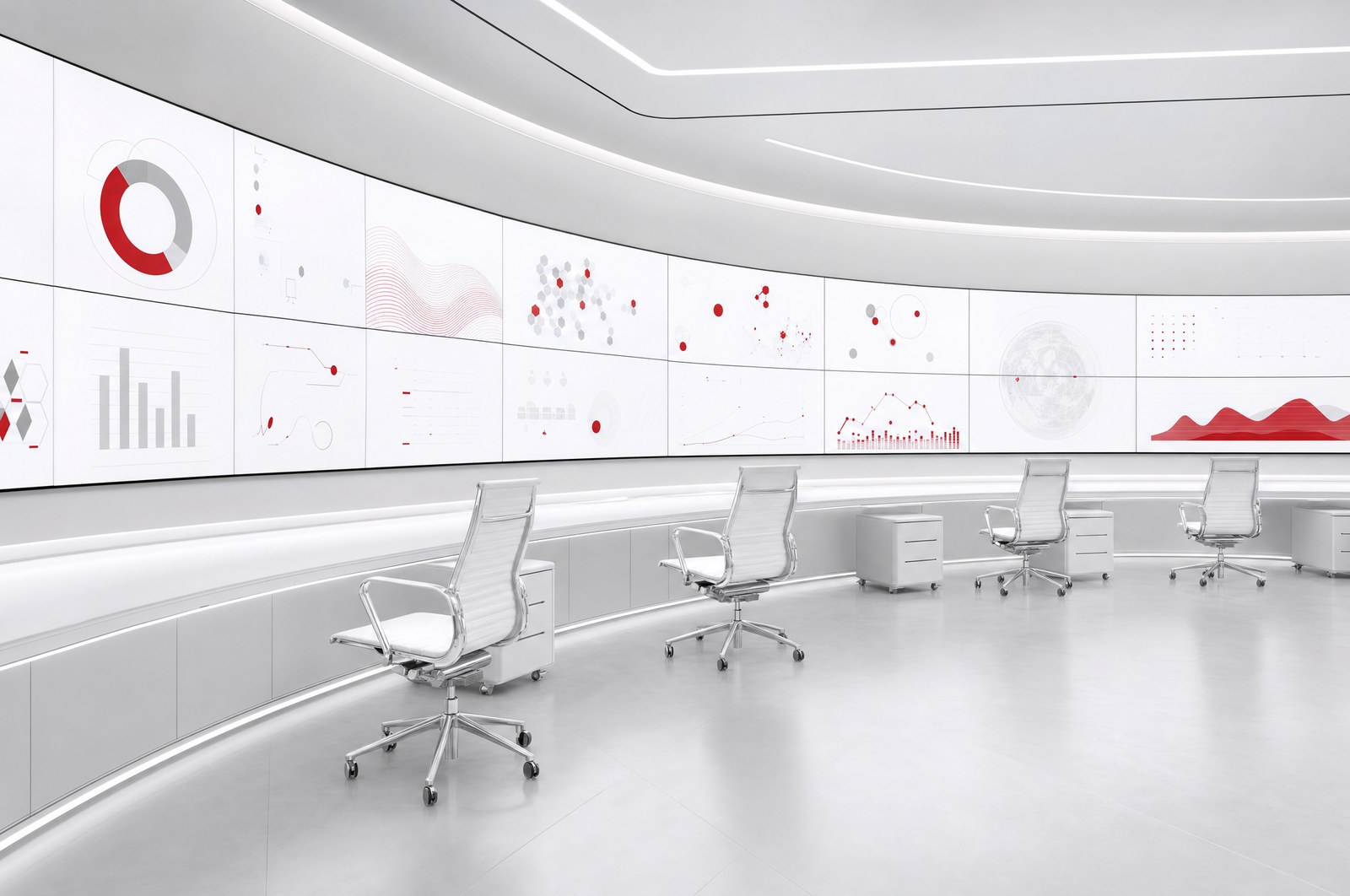
An integrated command centre is often where this lands: live video, sensor monitoring, scheduling, and performance tracking on one surface. Your operations team sees and directs a mobile workforce from a single position.

AI workflow automation
UNIT 02We put agentic automation, RPA, computer vision, and predictive maintenance where they remove real operational friction.
 Process automation and agentic workflows
 Robotic process automation (RPA)
 Computer vision applications
 Predictive maintenance
 Custom integration software and interfaces
The constraint is almost never the model. It is whether your data is complete, current, and trustworthy enough to act on. You beat your competition with better data — not more of it, but the data they do not have. Getting there is integration work, which is why we treat the two pillars as one job.
That work is often software in its own right — the APIs, middleware and dashboards that let an OT system, an enterprise application, and an automation layer act on the same data. We build it as part of the same engagement rather than handing it to a separate vendor once the integration is done.
Recently delivered: a machine-learning quality control system for pharmaceutical pill packs, and an RFID-based asset and inventory system with a self-service kiosk for a Government Agency.
Scope of work
UNIT 03Whichever pillar your engagement starts in, the work runs through the same five services, delivered by the team that scoped it. That scoping runs in four stages, each one gating the next.
The framework
UNIT 04We deliver both capabilities against the same five layers: what has to be true before a system is worth switching on, whichever service your engagement starts in. We publish them so you can judge any proposal against a stated standard, ours included.

What is actually running on site
Equipment, protocols, signal paths, and the people whose work depends on them, recorded as found rather than as drawn. Estates grow one system at a time, and the drawings usually stopped being true somewhere around the third addition.
Whether the data can carry the decision
Before a decision is handed to software, the data behind it is tested for coverage, currency, and whether the people who produce it already trust it. The constraint is almost never the model.
Where two systems meet, and what happens when one of them fails
Interfaces, data flows, protocol boundaries, message delivery, and behaviour under partial failure, all specified before anything is priced. Every junction in the design carries a named owner and a stated failure mode.
Who answers for what the system decides
For anything with a model inside it: what it is allowed to decide on its own, what is logged, who reviews it, and how it is withdrawn. Our practice is aligned to ISO/IEC 42001:2023, with the Singapore IMDA framework and the NIST AI Risk Management Framework as reference points.
The system a year after handover
Who runs it, what happens when it drifts, and what your own team was trained to do about it. Handover is a date. Keeping it running is a schedule, and we price it as one.

A joint that fails on commissioning day was decided months earlier, in a proposal nobody interrogated. Ask these four before you sign one.
Which of these five layers does the proposal actually price?
Most price L3 alone, then discover L1 on site and raise a variation for it.
What is the failure mode for the busiest interface in the design?
If it cannot be answered in a sentence, it has not been designed yet.
Who is accountable for this system in month thirteen, by name?
Support that belongs to nobody in particular belongs to your operations team.
What in this scope do you recommend we do not automate yet?
An integrator with nothing on that list has not looked at the data.
There is nothing in the framework to buy. It is the checklist our own engineers work to, published so that any proposal, ours included, can be held against something.
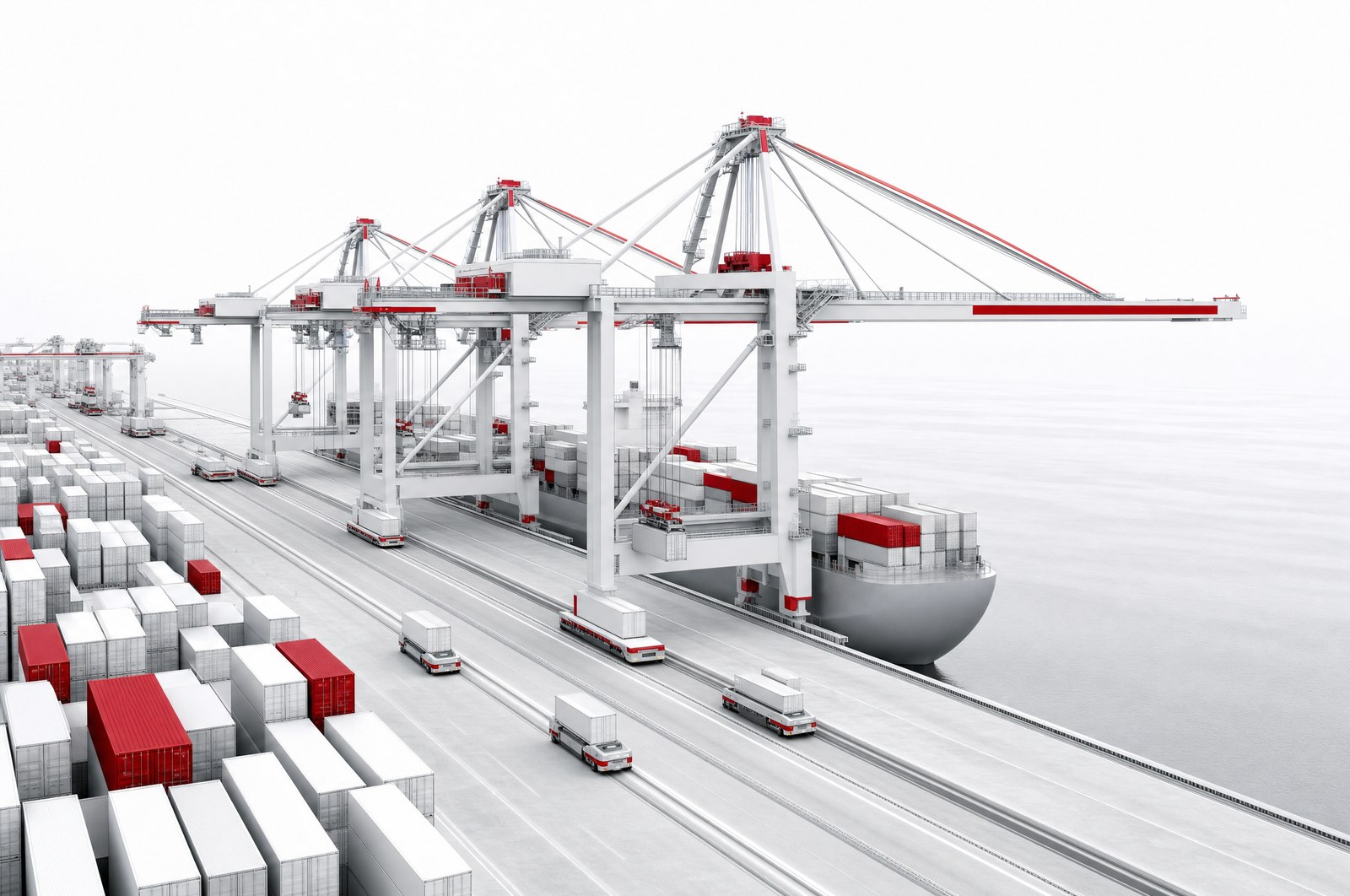
AI harvest sensing for PSA Marine's rooftop hydroponics, and a secured biometric fuel management system at Brani and West Coast Base.

1,000%+ efficiency gain. An Enterprise Singapore EDG funded robotics line for Raymang Eggs.
Environmental monitoring for ENGIE, computer vision for PestBusters, and fleet communications for Chye Thiam Maintenance.
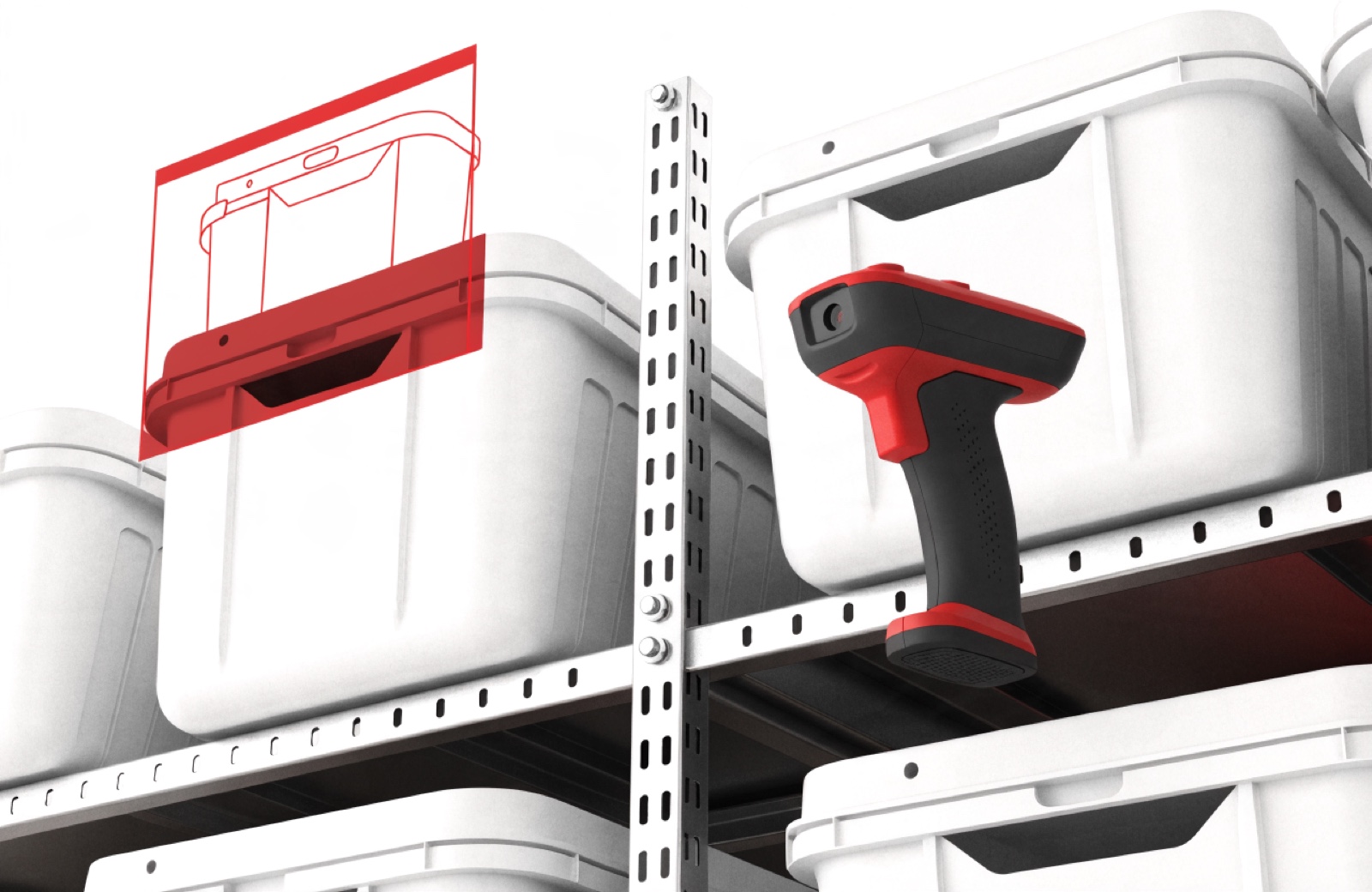
RFID-based asset and inventory management, with a self-service kiosk, for a Government Agency.