
Executive summary
L2
the Readiness question in our framework, approached from the opposite direction
Key conclusions
- A standard classifier cannot output "unknown". When it receives an input outside its training set, it still returns an answer that looks confident.
- Engineers must design abstention in deliberately, using a threshold above which the system declines to answer and escalates the case. Conformal prediction is one way to set that threshold.
- The return on abstention is the cost of the wrong actions avoided, minus the cost of the human time spent on referred cases.
A recommendation engine that misclassifies a film causes mild annoyance. A vision system that misclassifies a signal, a gauge or a person causes far more than that. The difference lies in the consequence of a confident wrong answer.
Standard classifiers return a probability distribution over the classes they know. When an input falls outside that set, they return the nearest class, with a confidence score that looks the same as the score for a correct answer.
Design a reject option that lets the system decline to answer
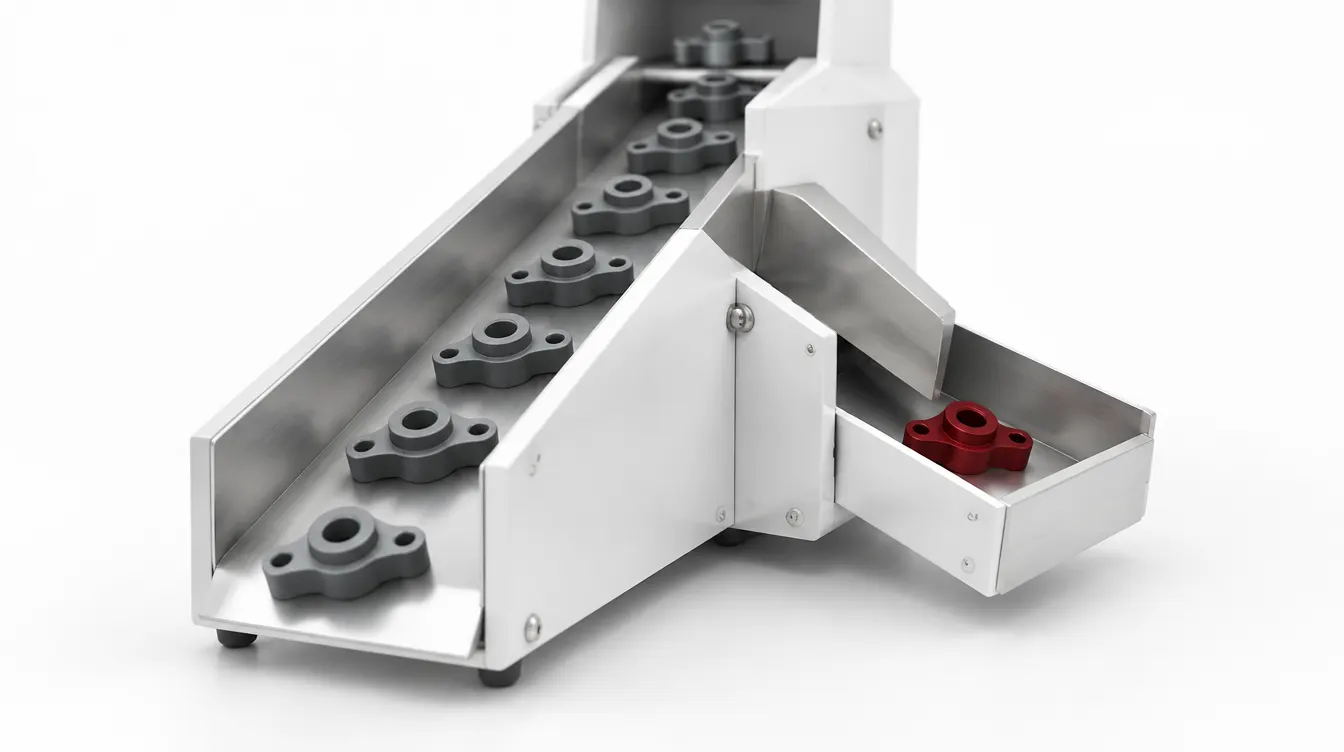
The fix is to design abstention in deliberately: a threshold above which the system declines to answer and escalates the case instead. Conformal prediction is one practical method, because the bound it gives is statistically grounded. A cut-off on a softmax score is arbitrary by comparison.
This requires separating two sources of uncertainty: noise in the input, and inputs that fall outside the model's training distribution. Each needs a different response. Noise is tolerable. An input outside the training distribution means the system is operating in conditions where it was never validated.
Declining to answer has a measurable operational return
Abstention has a measurable return: the cost of the wrong actions the system avoided, minus the cost of the human time spent on the cases it referred. In any deployment where a false positive triggers a physical intervention, the calculation is rarely close.
This is the L2 Readiness question from the framework we publish, approached from the opposite direction. Readiness asks whether the data is good enough to support the decision. Abstention asks what the system should do when it is not.