AI governance
Autonomous mobile robots now have a safety standard. Most floors don't design to it
ISO 3691-4 sets verification requirements for driverless industrial trucks, and ANSI/RIA R15.08 does the same for industrial mobile robots. A vendor demo proves the robot can navigate a floor. Neither standard was written to test that.
Executive summary
2020
the year ISO 3691-4 set safety and verification requirements for driverless industrial trucks
2
published parts of ANSI/RIA R15.08; a third, on user requirements, is still in development
Core conclusions
- An AMR is, to a safety engineer, a driverless industrial truck, a category that has carried a dedicated ISO standard since 2020.
- ISO 3691-4 specifies verification methods, so a vendor should be able to produce the test report as well as the certificate.
- Ask for the ISO 3691-4 or R15.08 Part 1 conformance evidence for the specific model and configuration being quoted, before the robot is on the floor.
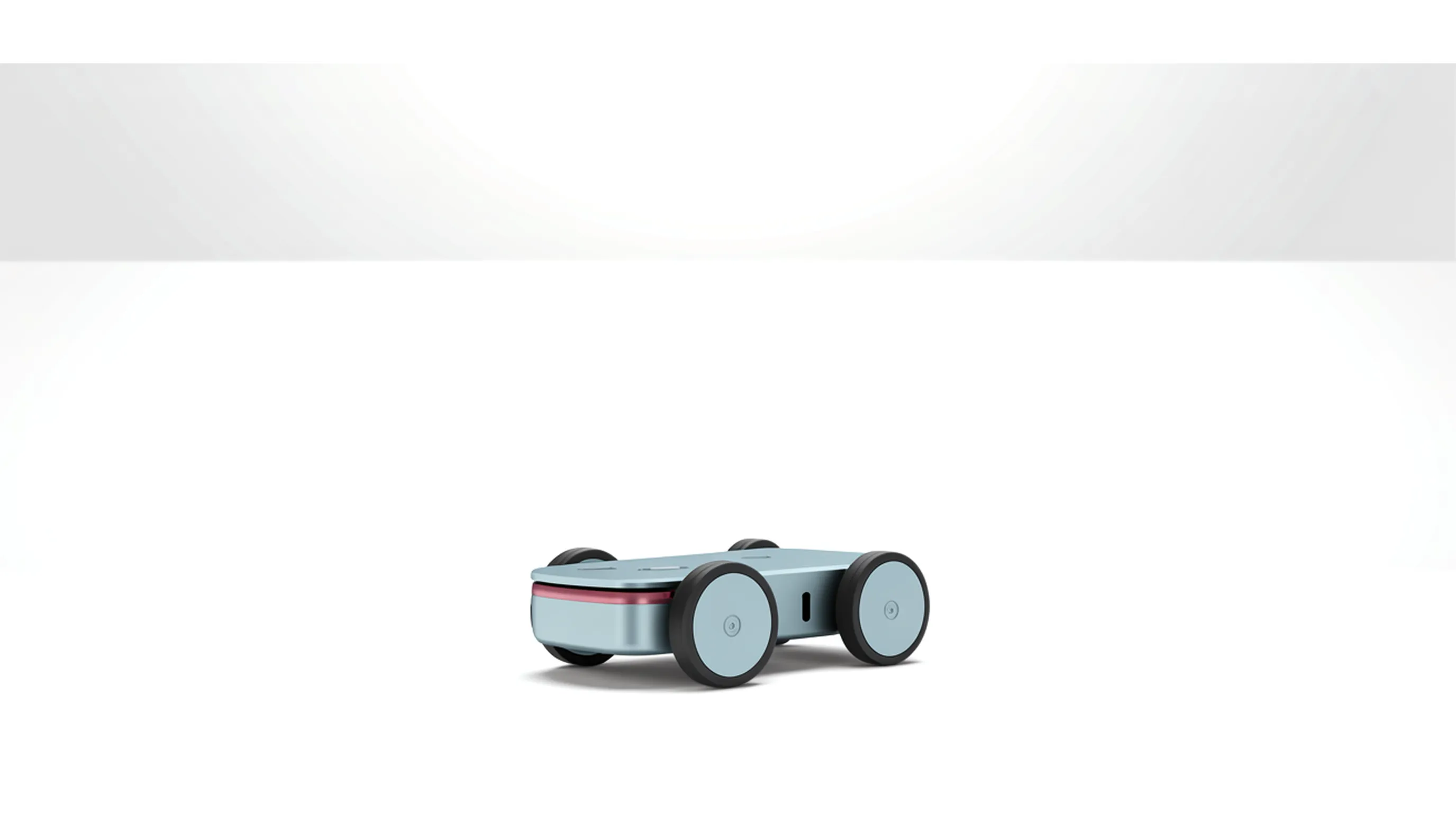
An autonomous mobile robot moving through a warehouse or plant floor is, to a safety engineer, a driverless industrial truck, and driverless industrial trucks have carried a dedicated international standard since 2020. ISO 3691-4 sets the safety requirements and verification methods for exactly this category of machine, and most AMR deployments still get evaluated the way a software rollout would, on whether it completes the task. Whether it meets the standard written for it rarely comes up.
In the United States the equivalent ground is ANSI/RIA R15.08, developed in parts by the Robotic Industries Association. Part 1, approved in December 2020, defines the industrial mobile robot itself, including the autonomous mobile platform as one of three recognised types. Part 2, published in 2023, covers the robot system and how it integrates with the rest of the facility. A third part, addressing user requirements, was still in development at the time of writing.
What the standards actually require
- A demonstrated stopping distance and hazard-detection zone matched to the robot's actual speed and payload as configured for your floor.
- Verification evidence beyond the declaration of conformity. ISO 3691-4 specifies test methods, and a vendor should be able to produce the test report as well as the certificate.
- A defined boundary between what the robot manufacturer certified and what the integrator is responsible for once it is installed alongside your equipment. R15.08 splits this deliberately across its two published parts.
- A documented answer for mixed human-robot traffic, which is where most incident investigations actually start.
The gap between demo and deployment
A trade-show demonstration runs in a controlled aisle, at a pace chosen to look good, on a floor with none of the forklifts, pedestrians or shift-change traffic the standard's hazard-zone requirements actually exist for. None of that describes a live floor.
The test worth applying before signing anything: ask the vendor for the ISO 3691-4 verification report or the R15.08 Part 1 conformance evidence for the specific model and configuration being quoted. The standard's name on a brochure is a different thing. If the answer is vague, that is checkable, and it is checkable before the robot is on the floor.