
Resources · Tool
Legacy Equipment Connectivity Checker
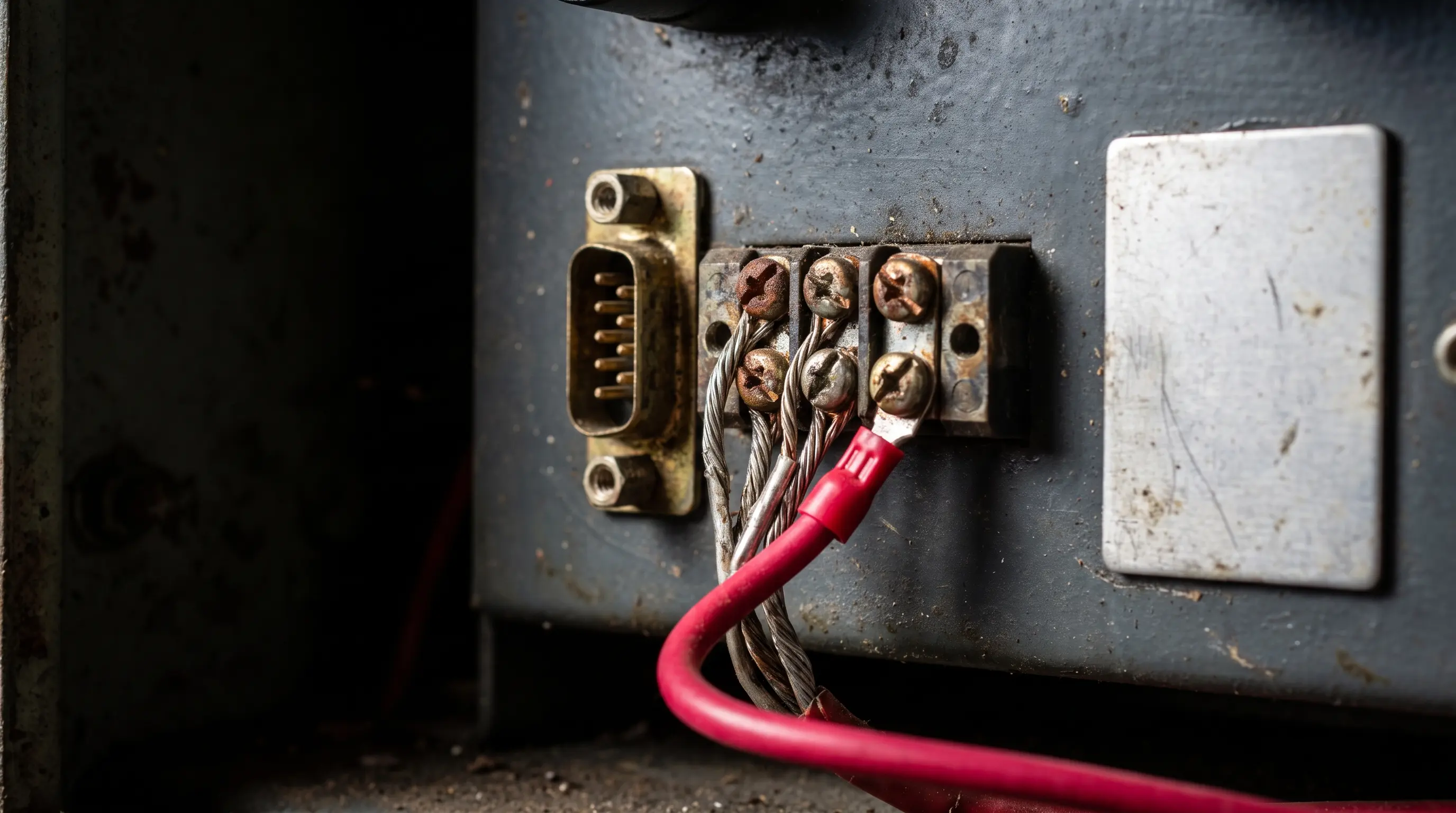
Five questions about one machine: what controls it, what it is physically wired to, whose permission you need, what you want out of it, and whether it can ever stop. It returns every viable route with a cost band and a named risk against each, including the case where the machine has no digital interface at all and data has to be created rather than read.
Everything below runs in your browser. Nothing you enter is sent to us, stored, or logged, and closing the tab discards it. Answer for one machine at a time, starting with the least accessible one.
What controls it
UNIT 01If the panel has not been opened recently, answer from what is known. An honest 'nobody is certain' produces a more useful result than a guess.
Routes
UNIT 06Technical references
UNIT 07What the reasoning on this page is drawn from. Where a standard costs money to read it is marked, and where a free document covers the same ground better it is listed first.
- Modbus specificationsModbus OrganizationThe protocol specifications, published free. Worth reading the application protocol document once if anybody is quoting you for Modbus work.
- OPC UAOPC FoundationThe specification and the security model. If a vendor offers OPC UA, this is where you check what they are actually offering.
- PROFINETPROFIBUS & PROFINET InternationalTechnology overview and the security guidelines, which matter more than the protocol detail for an integration project.
- EtherNet/IPODVAThe CIP-based specification behind Rockwell and Allen-Bradley equipment, including the CIP Security additions almost nobody deploys.
- IO-LinkIO-Link CommunityThe sensor-level standard. The cheapest route to device diagnostics in any new installation, and widely fitted but unread.
- SparkplugEclipse FoundationThe open specification that gives MQTT a defined payload and birth/death semantics. Free, short, and readable in an evening.
Links open in a new tab so anything you have entered above survives. Every one was checked at build time; if one has rotted since, tell us and it comes out rather than getting patched from memory.
Every one of these tools is a compressed version of a conversation. If yours turned up something you would rather talk through than read about, that is what the scoping call is for — bring your result with you.
Also on the shelf
- Tool
Readiness assessment
Score a proposed integration across the five dimensions that decide whether it survives contact with a plant floor, and find out which one is your binding constraint.
- Tool
Payback calculator
Work out the recoverable hours, the build cost band and the payback period on a process you are thinking of automating, including the case where the answer is don't.
- Tool
Scope estimator
Describe the equipment, the sites and the compliance load, and get the complexity band, the ranked cost drivers and an engineering duration range.