
Industrial handling
Dual-arm robots handle totes and pallets and feed your production lines
Each robot fits into the space a person used. It reads each tote as it picks it up, and it needs no reprogramming when the line changes.
 Orion Five Engineering
Industrial handling
Each robot fits into the space a person used. It reads each tote as it picks it up, and it needs no reprogramming when the line changes.
Tote depalletising, line-side feeding and empty-tote returns are heavy, repetitive work, and the requirements change often. Fixed automation handles this poorly. Wheeled dual-arm robots fit into the space a worker used. They see each tote and adjust to it, and the line does not need to be rebuilt when the product changes.
The problem
UNIT 01The performance figures come from AGIBOT's own deployments. We treat them as a starting assumption and test them on your site during the proof of concept.
Performance as reported by AGIBOT.
How it runs
UNIT 02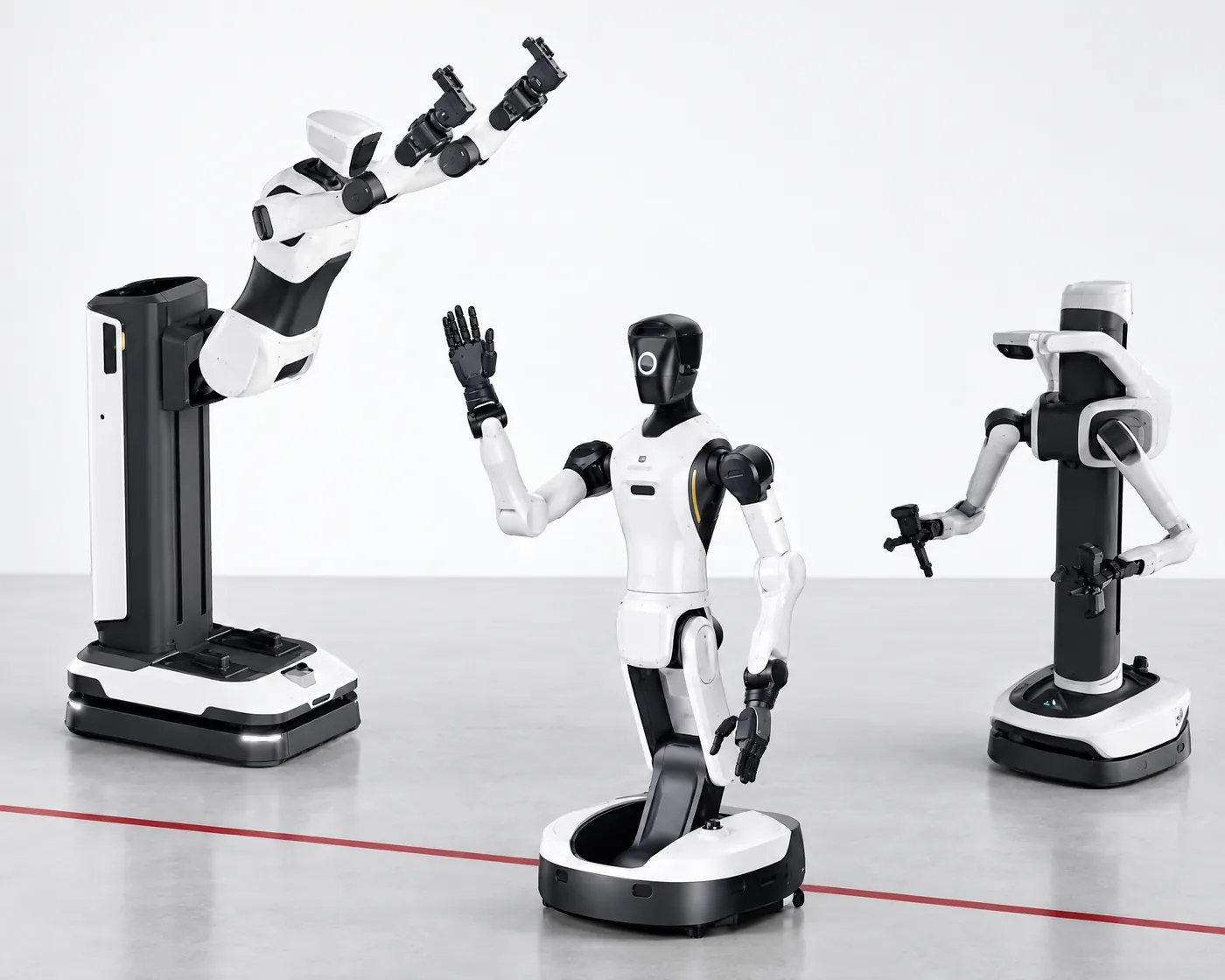
The robots
UNIT 03Heavy-duty dual-arm robot
The G2 Max is built for palletising, depalletising and high-rack handling that needs both strength and precision. Its two 7-DoF force-controlled arms carry 18 kg each, and its high-torque waist reaches from 0.1 m to 2.54 m.
Specifications as published by AGIBOT.
Dual-arm handling robot
The G1 Max is the robot in AGIBOT's largest factory deployments. Its bionic 7-DoF arms work together or independently, and its lift-and-tilt waist reaches from floor level to 2 m.
Specifications as published by AGIBOT.
Precision dual-arm robot
The G2 suits lighter, more precise work. Torque sensing in every joint gives sub-millimetre force control for alignment and peg-in-hole tasks. It also accepts AGIBOT's 19-DoF dexterous hands.
Specifications as published by AGIBOT.
What we add
UNIT 04This work is in addition to the six-phase engagement and the support contract described on the main robotics page.
Reference deployments
UNIT 05These are AGIBOT's customers, described from AGIBOT's published material. They are not Orion Five projects. We include them as evidence that the robots run at scale in live operations.
Nearly 100 G1 Max robots work with AMRs to feed 15 points across two workshops (powertrains and reducers) and return empty totes. They complete close to 10,000 tote handling cycles per shift.
A robot based on the G1 Max works on the Buick Electra E7 battery line. It takes about 2 seconds per unit at ±0.1 mm repeatability, and uses less than 15% of the floor space of the automated station it replaced.
Other solutions
UNIT 06You can also return to the featured AGIBOT A3 Ultra.
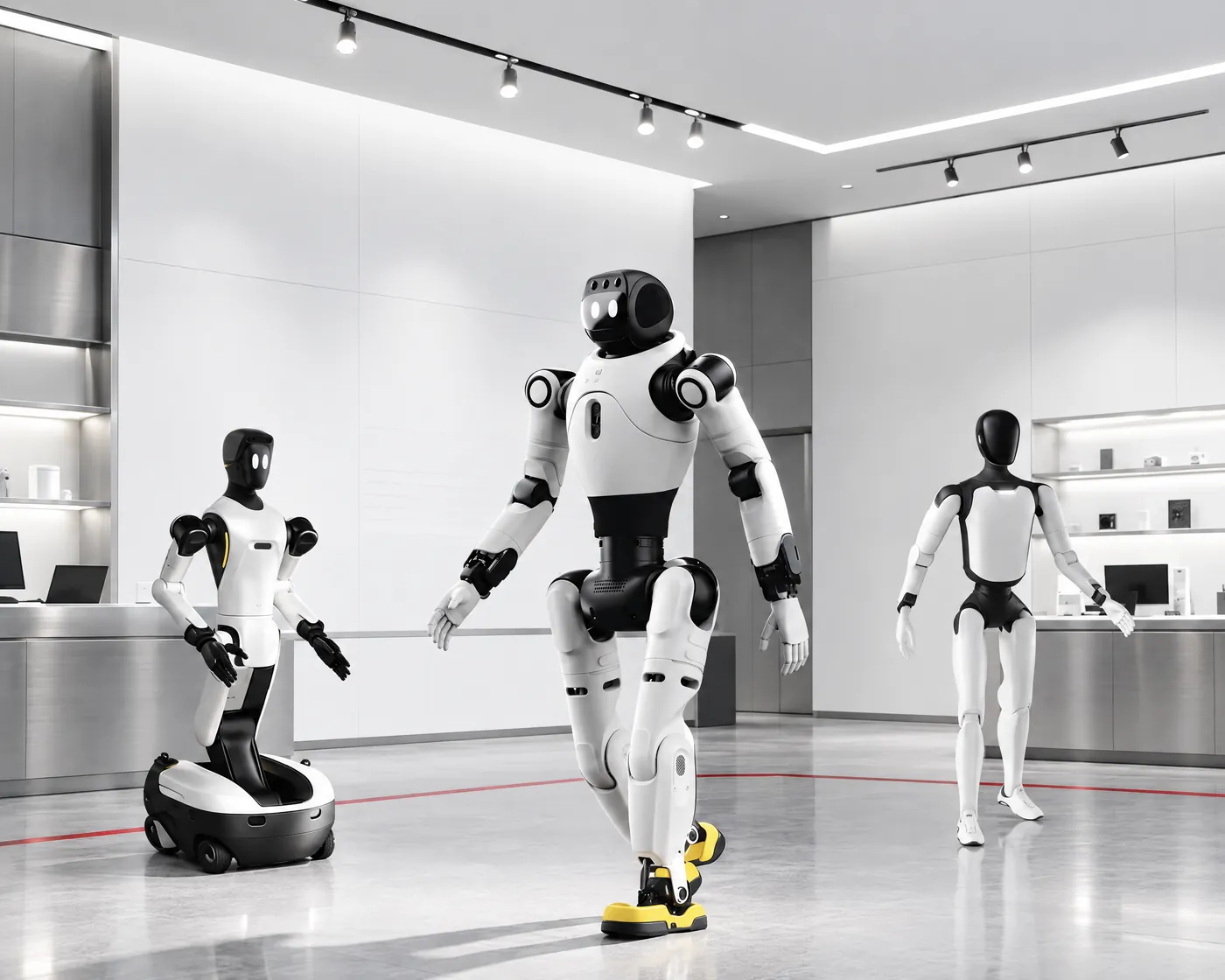 Guided tours, retail and wayfindingAGIBOT X2 · AGIBOT G2 · AGIBOT A3 UltraSee the solution
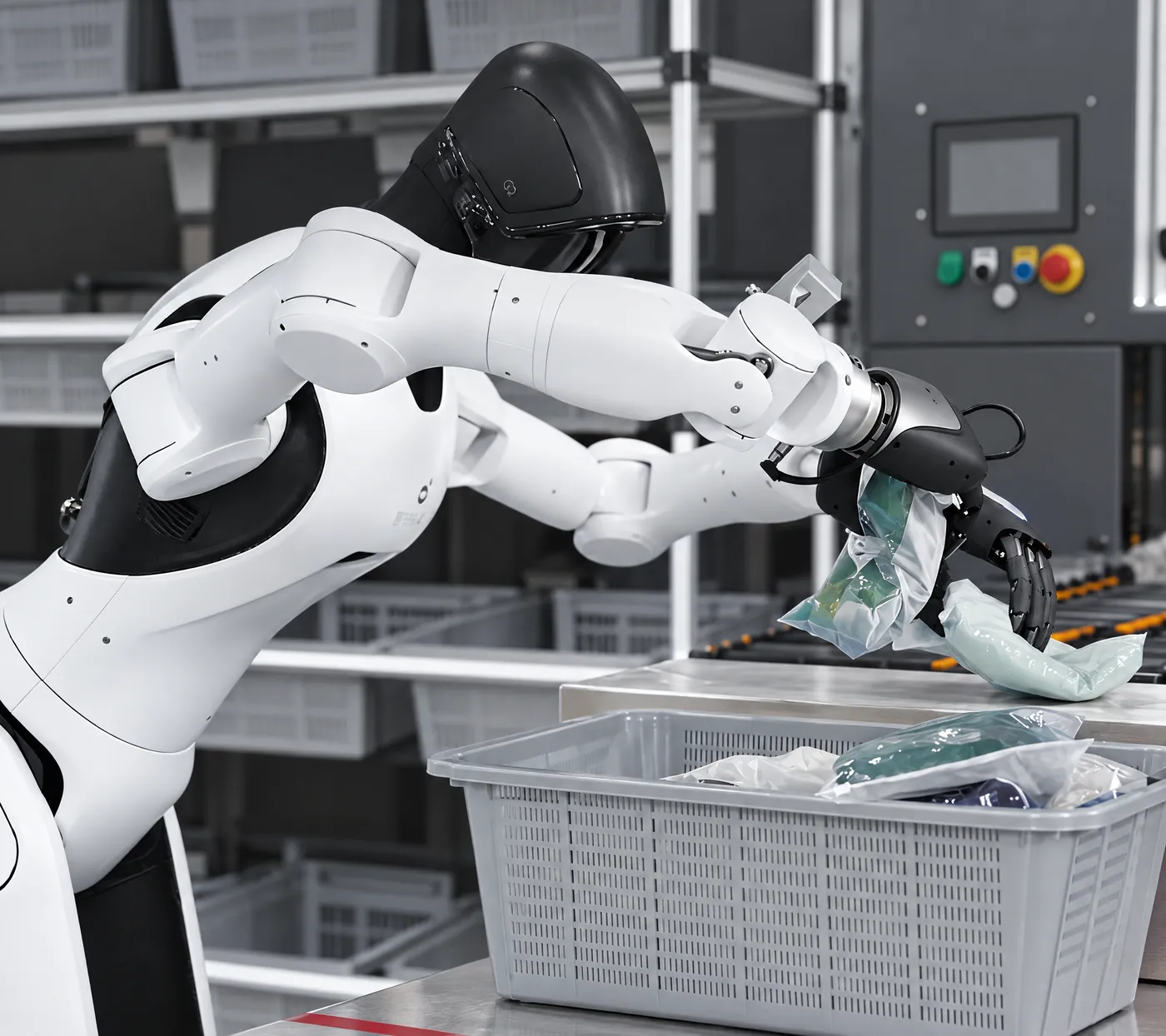 Logistics sortingAGIBOT G2 · AGIBOT G2 AirSee the solution
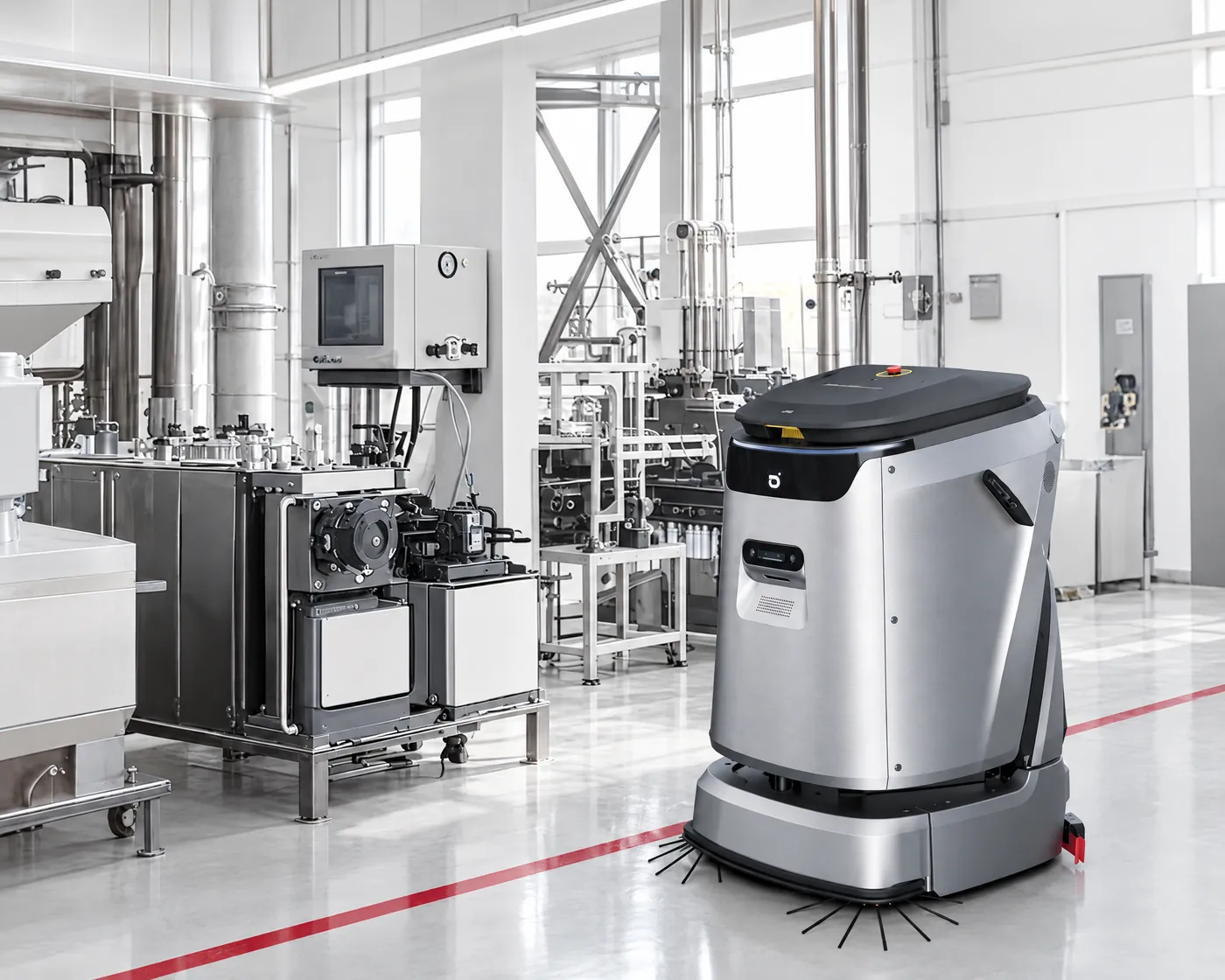 Industrial and commercial cleaningAGIBOT C5 · AGIBOT C4 · AGIBOT C2 · AGIBOT C2PSee the solution
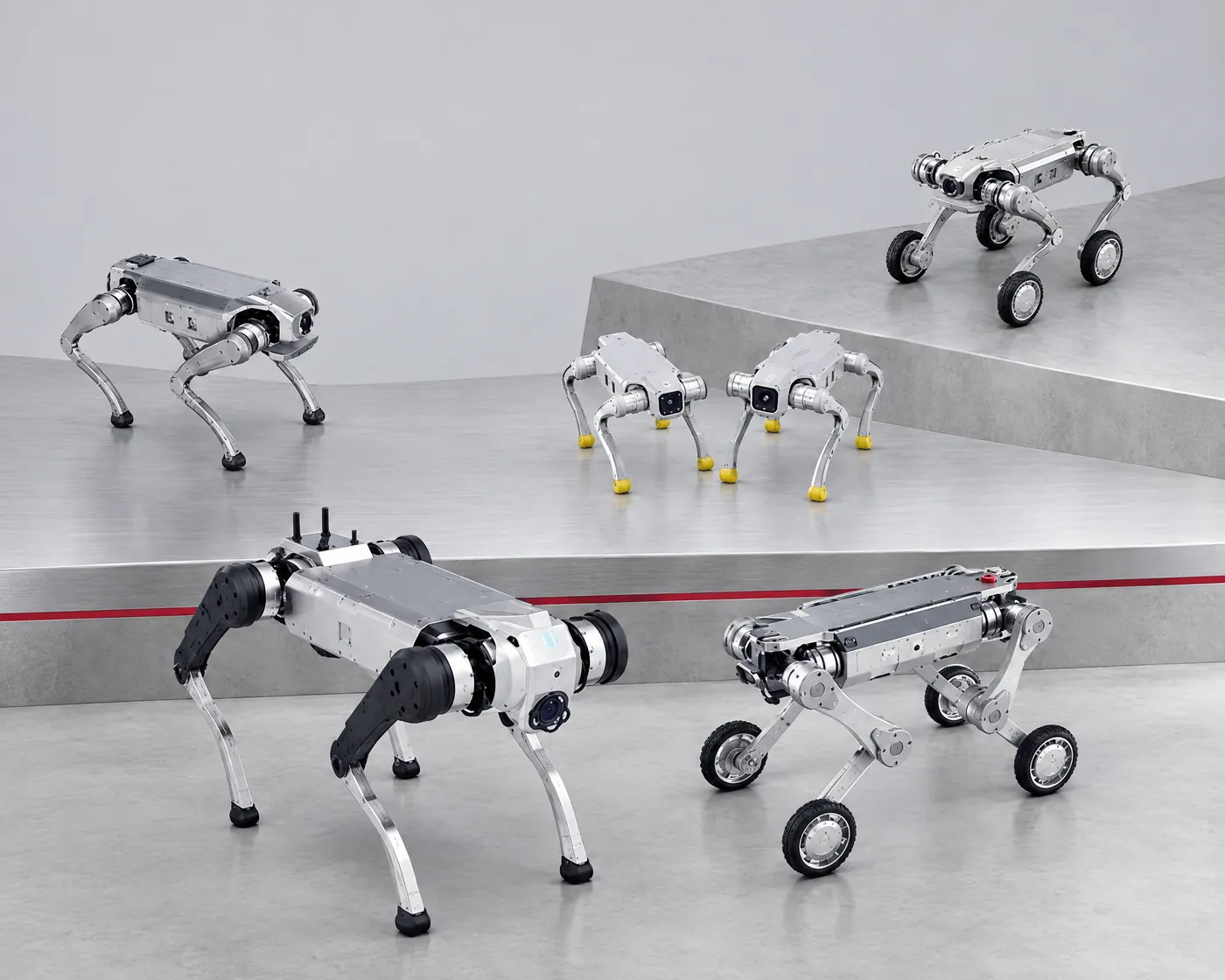 Inspection, field and research platformsAGIBOT D1 MaxPro · AGIBOT D1 Max · AGIBOT X2 REC · AGIBOT X2 EDUSee the solution